



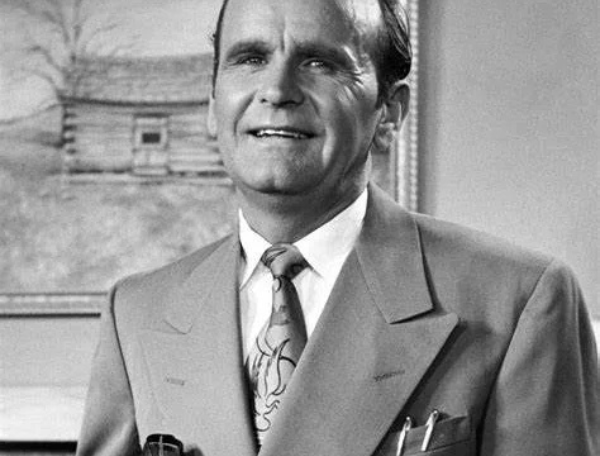
William Marrion Branham
William Marrion Branham (1909–1965) was one of the most influential and controversial figures in 20th-century Christianity. His life and ministry impacted millions of believers around the world, and his teachings continue to resonate with those who embrace the Message of the Hour. Branham’s prophetic ministry, which included healing miracles, deep scriptural insights, and claims of divine revelation, has left a lasting legacy in the Pentecostal, Charismatic, and non-denominational Christian movements. His followers believe that he was the prophet promised to appear in the last days to prepare the way for the second coming of Christ.
Early Life and Background
William Marrion Branham was born on April 6, 1909, in Berksville, Kentucky, USA, to Charles and Ella Branham. He grew up in a humble, rural family, experiencing hardship from a young age. His father died when he was young, leaving his mother to raise him and his siblings in difficult circumstances. Branham’s early life was marked by personal struggles, including poverty and the tragic loss of his mother.

Despite these hardships, Branham grew up with a deep spiritual sensitivity. As a child, he often experienced religious visions and dreams, which would later be recognized as part of his prophetic calling. His conversion to Christianity occurred in his early twenties, and he committed his life to the Lord, which set the course for his future ministry.
Calling into Ministry
Branham’s ministry began in the early 1930s, after he experienced a divine encounter that would change his life. In 1933, while still a young man, Branham was baptized in the Name of Jesus Christ, a foundational event that would influence his doctrine throughout his life. It was during this time that he claimed to receive a prophetic vision from God.
On June 11, 1933, while praying by the river, Branham reported a visitation from a supernatural being, whom he later identified as an angel. He believed that this angel spoke to him, commissioning him to go forth as a prophet to the nations, bringing healing and restoration to the church. This encounter marked the beginning of Branham’s prophetic ministry, and he began to travel and preach extensively, performing healing miracles, and speaking of divine revelations.
The Healing Ministry and Miracles
As Branham’s ministry grew, he became well known for his remarkable healing ministry. Many testimonies of miraculous healings and signs followed him, and he attracted large crowds of people who believed that God was using him to perform powerful works. Branham would hold revival meetings where individuals would testify of supernatural healings, deliverances, and prophetic revelations.
One of Branham’s defining features was his ability to discern people’s needs and speak directly to their hearts through prophetic insight. Often, he would describe a person’s illness, name their relatives, or call out specific details about their lives—details that were not known to him—demonstrating what his followers believed to be a supernatural gift of discernment, or word of knowledge.
Branham’s ministry was not limited to physical healing but also addressed spiritual restoration, including a call for repentance and revival in the church. His messages were powerful, often emphasizing the return to the early apostolic faith and the rejection of denominationalism.
The Message of the Hour
In the 1940s and 1950s, Branham’s influence expanded, and his message began to take a more defined shape. He preached that the return of Christ would be preceded by the coming of a prophet who would restore the apostolic faith of the early church, a message that he believed had been lost due to the rise of denominationalism and man-made traditions.
Branham’s teachings became known as the Message of the Hour, which emphasized several key themes:
Restoration of the Apostolic Faith: Branham taught that the true Christian faith, as practised by the early apostles, had been lost or diluted over time by organized denominations. His mission, he believed, was to restore this original faith and to prepare the church for the return of Jesus Christ.
End-Time Prophecy: Branham’s followers believe that he was the fulfilment of biblical prophecy, specifically the prophecy in Malachi 4:5-6 and Revelation 10:7, that a prophet would be sent in the last days to restore all things and prepare the way for Christ’s return.
Baptism in the Name of Jesus Christ: Branham rejected the traditional Trinitarian formula for baptism and taught that baptism should be performed in the Name of Jesus Christ as it was practised in the New Testament.
The Role of the Prophet: Branham’s followers believe that he was the end-time prophet foretold in Scripture, sent to bring the church back to its original teachings and to prepare it for the rapture.
Influence and Controversy
While Branham was widely revered by his followers, his ministry was also marked by controversy. His teachings, particularly regarding the deity of Jesus Christ, the nature of the Trinity, and his claim to be the fulfilment of biblical prophecy, led to sharp divisions among mainstream Christian denominations. Branham’s rejection of the traditional Christian understanding of the Trinity and his unique interpretation of certain Bible passages caused him to be seen as a divisive figure in the broader Christian community.
Despite the controversies, Branham’s influence continued to grow, and he established a large international following. His sermons, books, and recorded messages continue to impact millions of believers today, and his ministry is regarded by many as part of the Restoration Movement of the 20th century.
Later Years and Legacy
In the early 1960s, Branham’s health began to decline, but he continued to preach and travel until the end of his life. On December 24, 1965, Branham was involved in a car accident that led to his death. He was 56 years old. His passing marked the end of an era for many of his followers, but his teachings and the Message of the Hour continued to spread across the globe.
Branham’s impact is still felt today, particularly in Pentecostal and Charismatic circles. His teachings have influenced numerous churches and ministries, and his followers continue to honor his legacy through conventions, study groups, and by spreading his message of salvation, healing, and the return of Christ.
Legacy of William Marrion Branham
Today, William Marrion Branham is regarded as one of the most important figures in the Pentecostal and Charismatic movements. His life and ministry sparked the formation of many churches and ministries that continue to uphold his teachings, particularly the Message of the Hour. He is often referred to as “God’s Prophet for the Last Days” by his followers, who believe that his messages have helped to restore the true Christian faith in preparation for the imminent return of Christ.
Although he left this earth in 1965, William Branham’s ministry lives on in the hearts of those who continue to embrace his teachings. For many, Branham’s life serves as a testimony to the power of divine healing, prophetic revelation, and a passionate commitment to the Bible as the final authority in all matters of faith.
Conclusion
The legacy of William Marrion Branham is a legacy of faith, healing, and prophetic vision. His ministry brought thousands to Christ, and his message continues to inspire believers around the world. Whether viewed as a prophet of the last days or as a revivalist who brought a fresh understanding of Scripture, Branham’s influence remains profound. Through his life and teachings, millions have found hope, healing, and a deeper relationship with God.